
Body Composition, Labs & Metabolic Testing
Better insight for more personalized metabolic care
.
Why This Matters
Your body tells a bigger story than the scale
The scale can show weight, but it does not explain whether changes may be related to fat mass, lean mass, fluid shifts, metabolic patterns, or other factors. When clinically appropriate, body composition testing, resting metabolic rate testing, and lab review may provide additional insight to guide your care plan.
At Obsidian, this information helps us ask better questions:
- Are body composition trends changing over time?
- Are your labs moving in the right direction?
- Is your metabolism adapting?
- Does your care plan need to be adjusted?
.
Body Composition Testing
DEXA Body Composition
Body composition testing may be recommended when additional insight is needed beyond weight or BMI. Through partner testing locations, testing may help estimate fat mass, lean mass, visceral fat, bone-related measurements, and changes over time. This information can support care planning when the goal is not just weight loss, but improved metabolic health, strength preservation, and long-term risk reduction.
Resting Metabolic Rate Testing
RMR Testing
Resting metabolic rate testing may help estimate how much energy your body uses at rest. This can provide additional context for nutrition planning, metabolic adaptation, and realistic goal-setting when clinically appropriate. RMR testing is not required for every patient, but it may be useful when a more detailed understanding of energy needs would help guide the care plan.
What We May Review
What This May Include Testing and monitoring may include:
- Comprehensive metabolic labs
- A1C, fasting glucose, and insulin resistance markers when appropriate
- Cholesterol and triglyceride levels
- Liver and kidney function
- Thyroid markers when clinically appropriate
- Inflammation-related markers when appropriate
- Weight and waist trends
- Body composition testing when appropriate
- Resting metabolic rate testing when appropriate
- Symptoms, medication response, and progress over time
.
Lab Review & Metabolic Monitoring
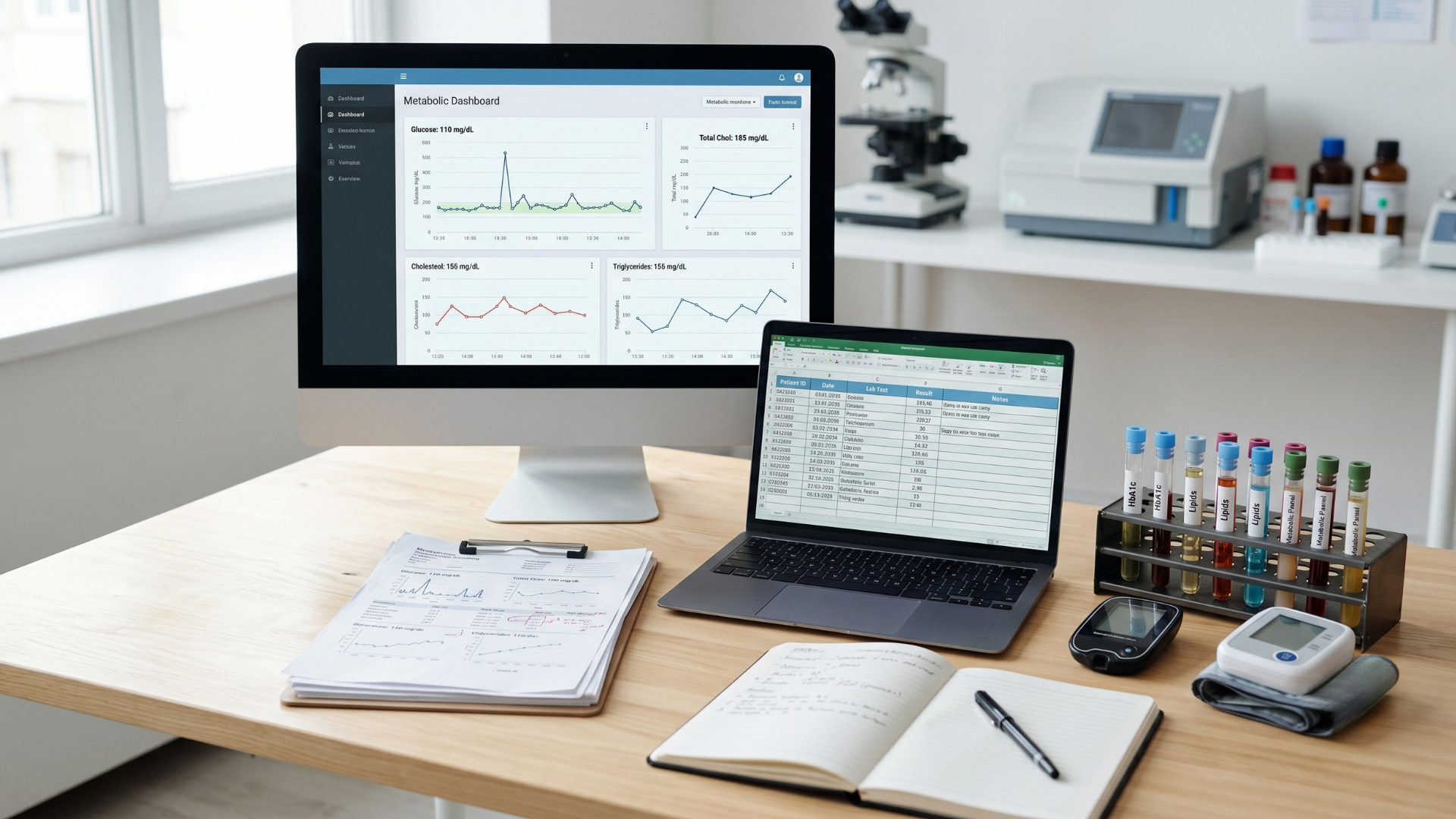
Labs can reveal patterns that are not always visible from symptoms or weight alone. At Obsidian, lab review may help evaluate blood sugar trends, insulin resistance risk, cholesterol and triglyceride patterns, liver function, kidney function, thyroid markers when appropriate, inflammation-related concerns, and cardiometabolic risk.
Testing is used to support clinical decision-making, monitor progress, and identify when additional evaluation or referral may be appropriate.
How Obsidian Uses This Information
Testing is not the goal. Better care is the goal. Obsidian may use labs, body composition, and metabolic testing to help personalize nutrition and lifestyle planning, weight and waist trend monitoring, medication evaluation and response tracking, risk reduction strategies, program recommendations, follow-up timing, and referrals or care coordination when needed.
Important Note:
Not every patient needs every test. Testing recommendations are individualized based on your history, goals, symptoms, risk factors, prior labs, and clinical needs.
Some testing may be completed through outside partner locations or lab vendors. Lab and testing costs may be billed separately from Obsidian program fees, depending on the service and vendor.
Your care plan should be guided by more than guesswork
Body composition, labs, and metabolic testing help us understand what is changing, what may be driving your symptoms or risk, and how your care plan should be adjusted over time.
Start With a Comprehensive Metabolic Assessment
Your first step is a Comprehensive Metabolic Assessment. This visit helps us determine which labs, testing, monitoring, or program options may be most appropriate for you.
.
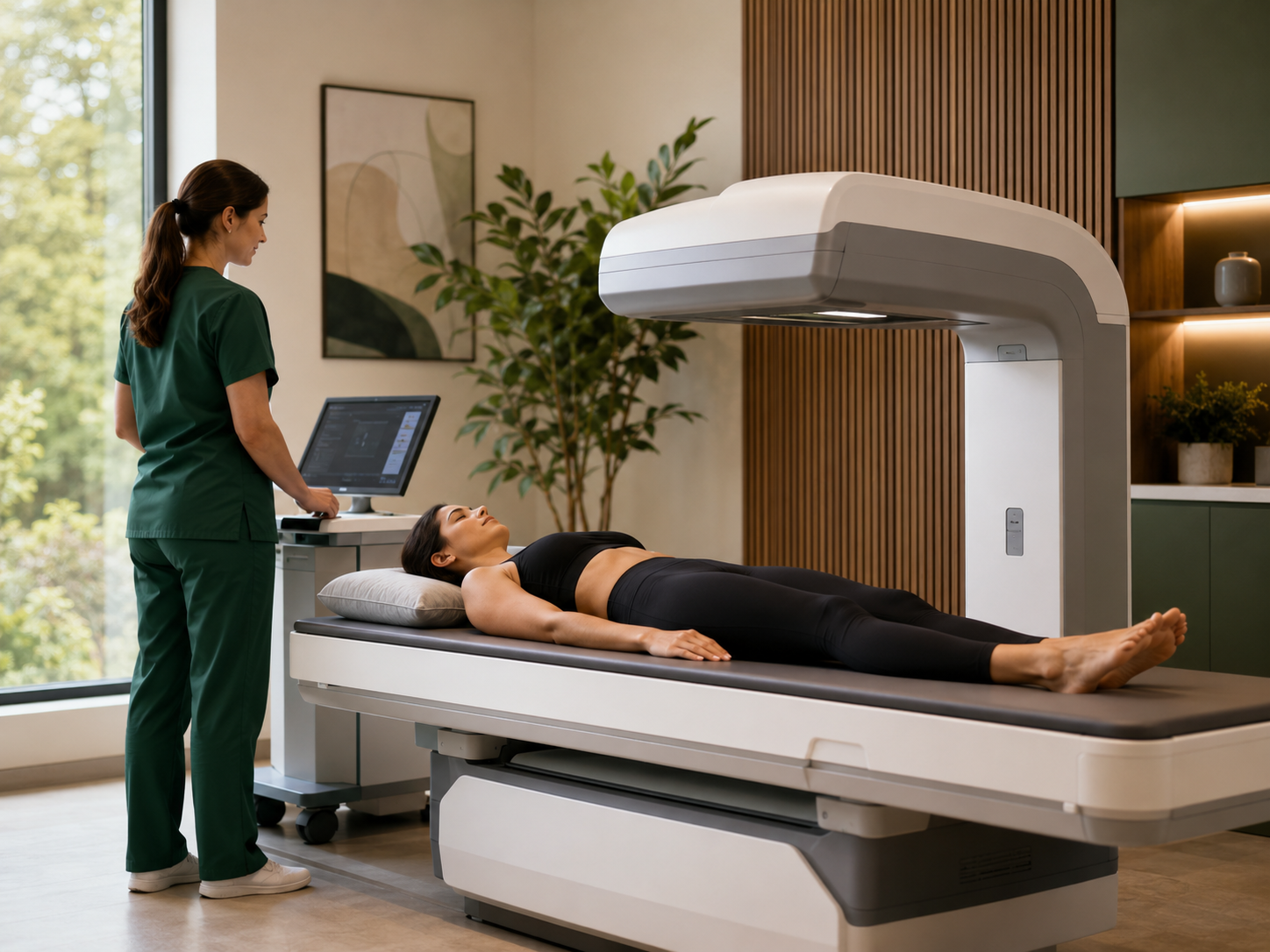
What is DEXA Scan?
A DEXA scan is a low-dose X-ray test commonly used to measure bone density. In some settings, it may also be used to assess body composition, including estimates of fat mass and lean mass. When appropriate, body composition testing through partner locations may help guide your care plan.
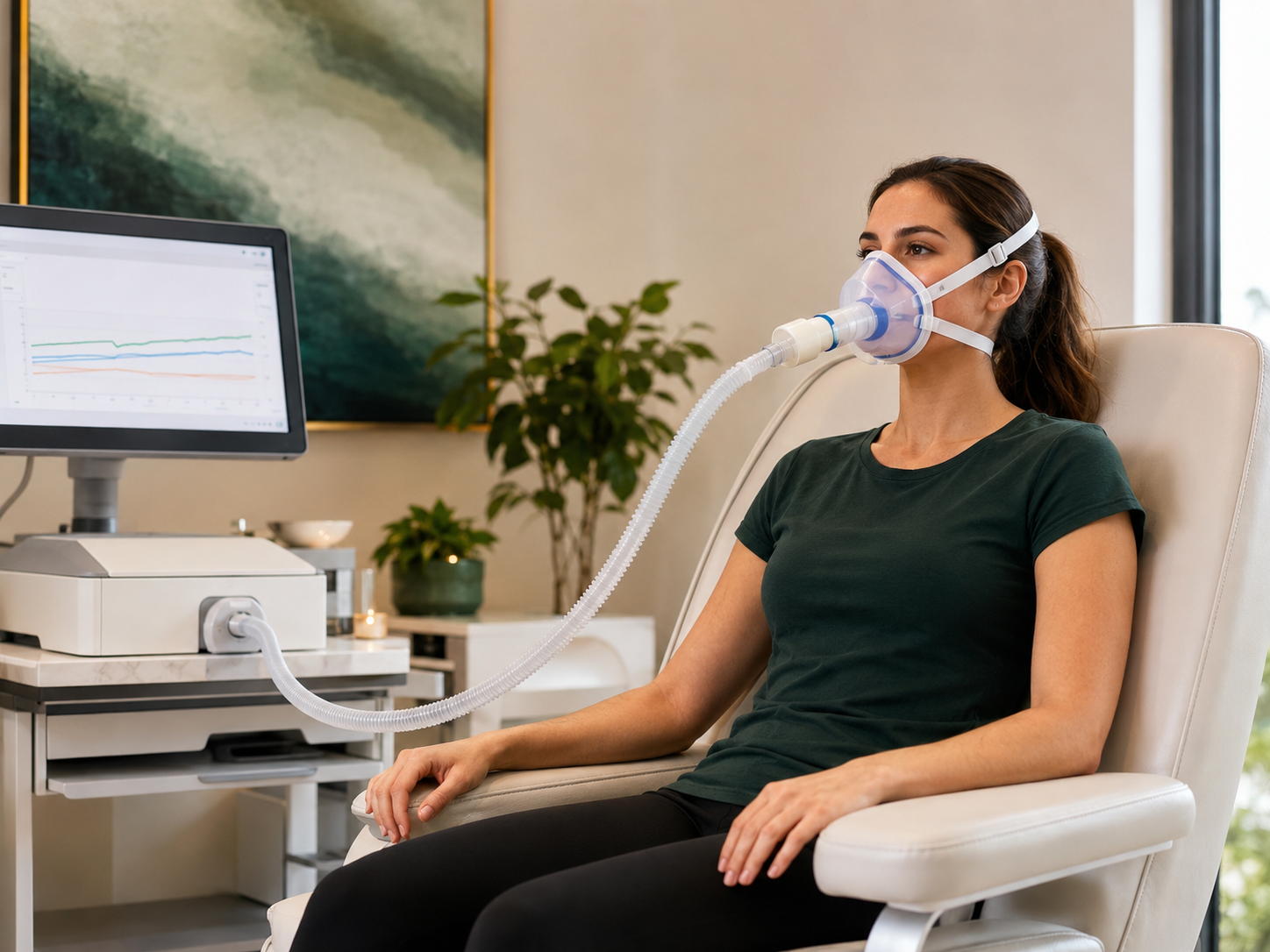
What is a Resting Metabolic test?
Resting metabolic rate testing estimates how much energy your body uses at rest. This information may help guide nutrition planning and realistic goal setting when appropriate.

Lab Testing & Outside Lab Partnership
Obsidian Integrative Health & Wellness may coordinate lab testing through local laboratory partners, including Quest Diagnostics, when appropriate. This helps support a smoother lab-ordering process and
allows us to review important metabolic markers as part of your care plan. Patients may also choose to complete lab testing at a laboratory of their choice. If labs are completed outside of Obsidian’s ordering process, patients are responsible for obtaining a copy of their results and submitting them to Obsidian Integrative Health & Wellness for
review. Lab costs may be billed separately by the laboratory and are not included in Obsidian program fees unless specifically stated. Lab recommendations are individualized based on your health history, symptoms, goals, and clinical needs.