High Cholesterol & Elevated Triglycerides
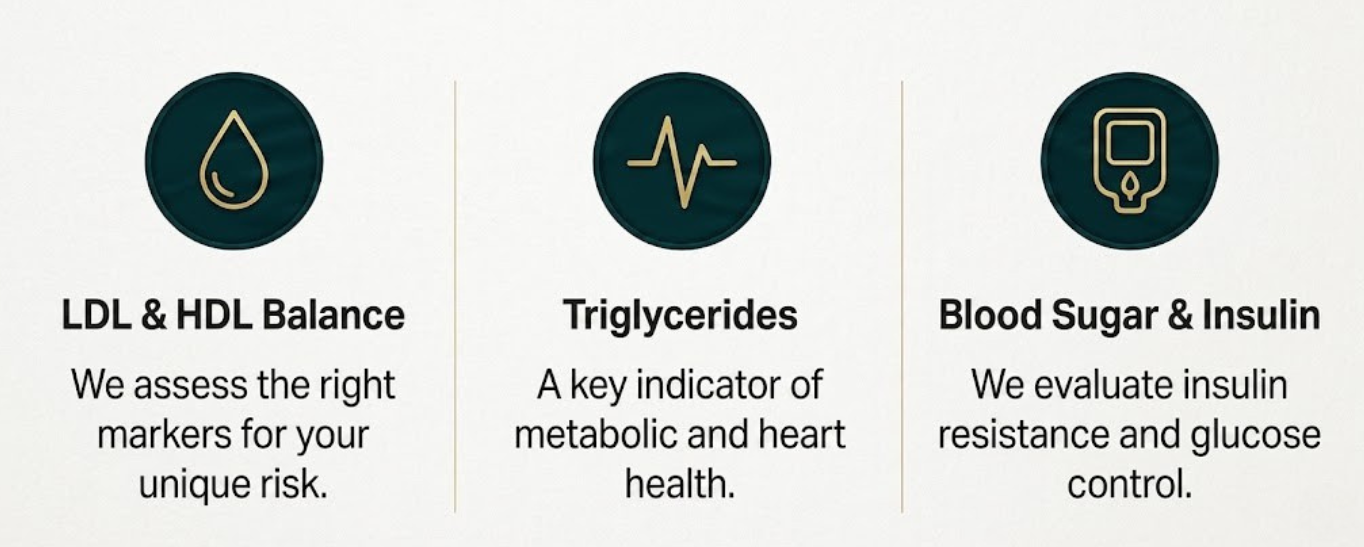
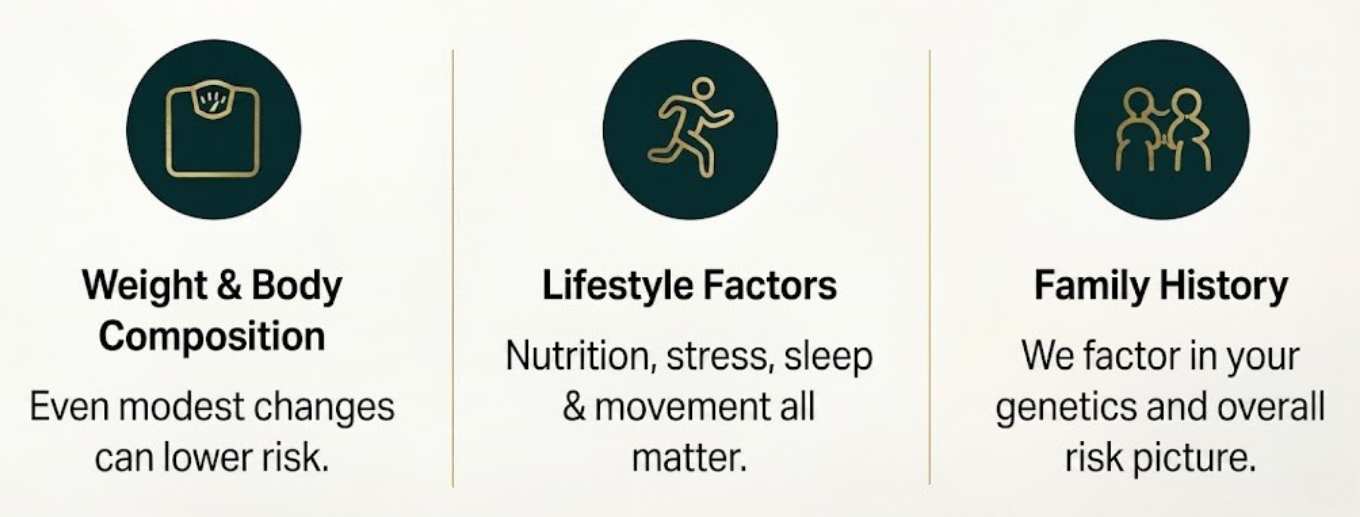
Cholesterol and triglycerides are important markers of cardiometabolic health. LDL cholesterol, HDL cholesterol, triglycerides, blood sugar, blood pressure, weight patterns, medications, family history, nutrition, movement, sleep, and stress can all affect long-term heart and metabolic risk. At Obsidian Integrative Health & Wellness, we help you understand what your lipid numbers may mean, how they connect with the bigger metabolic picture, and what steps may support better long-term health.
What This May Include
Patients may seek support for
- Elevated LDL cholesterol
- Elevated triglycerides
- Low HDL cholesterol
- Borderline or rising cholesterol numbers
- Family history of heart disease or stroke
- Insulin resistance, prediabetes, or blood sugar concerns
- Fatty liver risk or abnormal liver markers
- Weight-related lipid changes
- Medication questions or side effect concerns
- Desire for a more personalized prevention plan.
How Obsidian Supports You
Our approach may include:
- Comprehensive metabolic assessment
- Review of LDL, HDL, triglycerides, total cholesterol, non-HDL cholesterol, and related labs when available
- Review of A1C, fasting glucose, liver function, kidney function, and cardiometabolic risk markers when appropriate
- Nutrition and lifestyle planning
- Weight and waist trend monitoring; medication review and education
- Medication support when clinically appropriate
- Body composition testing when appropriate
- Ongoing education, accountability, and care plan adjustment
- Coordination with your primary care provider or specialist when needed.
Why Triglycerides Matter
Triglycerides are a type of fat in the blood that the body uses for energy. When triglycerides are elevated, especially with high LDL cholesterol or low HDL cholesterol, they may contribute to fatty buildup in artery walls and increase long-term cardiovascular risk.
At Obsidian, we look at triglycerides as part of the broader metabolic picture, including blood sugar, insulin resistance, weight patterns, nutrition habits, medications, sleep, stress, and family history.
We Look Beyond Cholesterol Alone