Cardiometabolic Risk
Your Heart and Your Metabolism Are Not Separate Problems
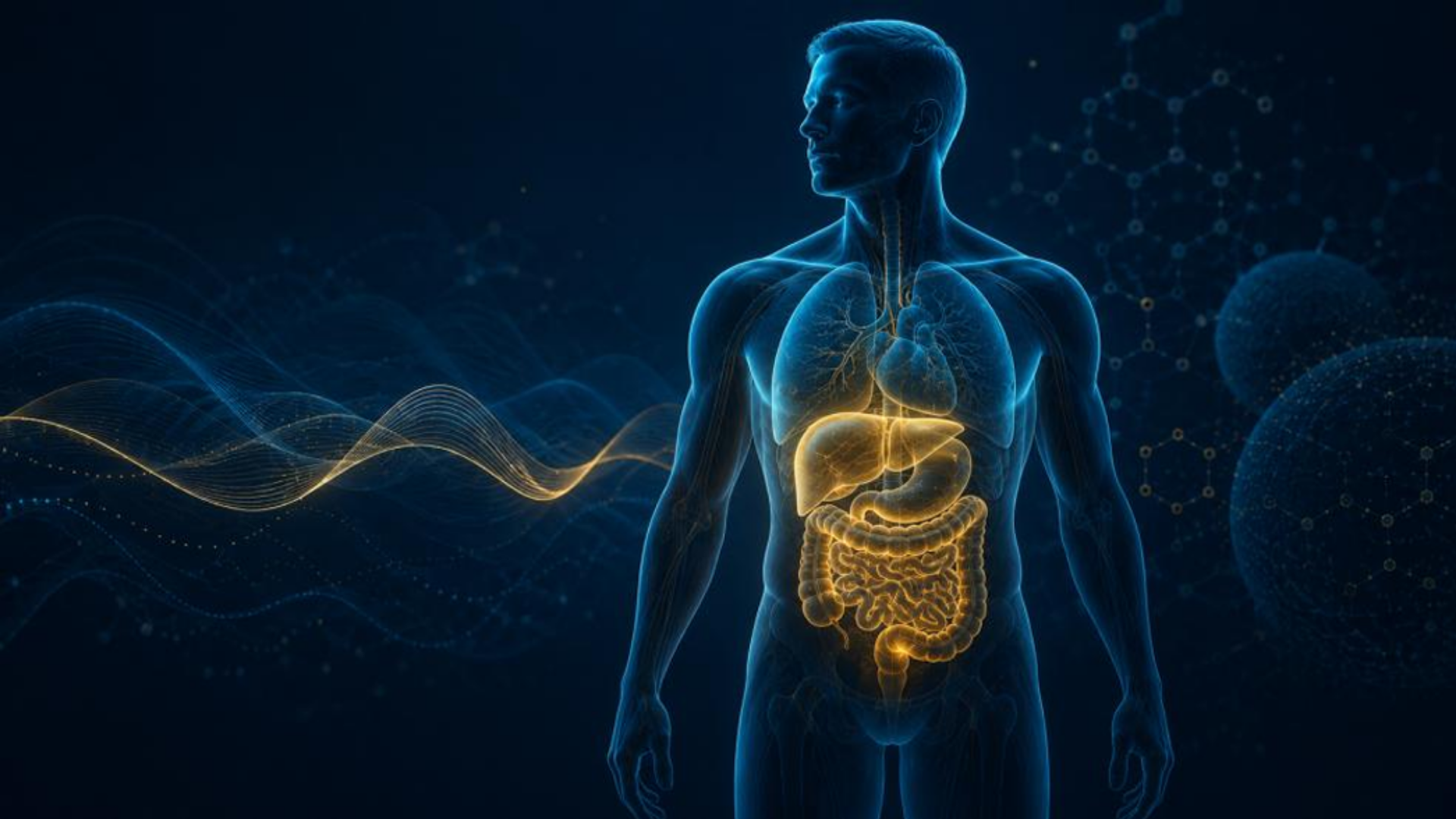
Most people think of heart disease and blood sugar problems as separate issues. You see a cardiologist for one and an endocrinologist for the other. But your body does not organize itself by specialty, and the research is clear: metabolic dysfunction and cardiovascular disease are deeply, biologically connected.
This connection has a name: cardiometabolic risk. And understanding it could change how you think about your health.
The Numbers Behind the Connection
Cardiovascular disease remains the leading cause of death in the United States. Data from the CDC's National Vital Statistics System for 2023 shows that heart disease, stroke, diabetes, kidney disease, and liver disease together account for roughly 50 percent of annual U.S. deaths, or approximately 1,050,000 people per year.
Meanwhile, a 2024 CDC report found that obesity prevalence among U.S. adults reached 40.3 percent during 2021 to 2023. A 2024 systematic bibliometric analysis published in PMC projected that U.S. cardiovascular disease prevalence is on track to rise from 11.3 percent to 15 percent between 2020 and 2025.
A 2024 review published in Cureus describes the intersection clearly: obesity, insulin resistance, high blood pressure, dyslipidemia, and chronic inflammation combine to create what researchers call a pro-thrombotic, pro-atherogenic, pro-inflammatory state. That is a biological environment that actively accelerates heart disease, stroke, and organ damage.
What is Metabolic Syndrome and Why Does it Matter?
Metabolic syndrome is the formal diagnosis given when a person has three or more of the five cardiometabolic risk factors together: central obesity (large waist circumference), elevated blood pressure, high fasting glucose, high triglycerides, and low HDL cholesterol.
A review published in the Journal of Clinical Endocrinology noted that metabolic syndrome is present in more than 80 percent of people with type 2 diabetes. The underlying driver in most cases is insulin resistance, which creates a cascade of hormonal and inflammatory signals that directly damage blood vessels, promote plaque buildup, and increase clotting risk.
This is not a theoretical link. It is a documented biological mechanism.
What Standard Care Often Misses
The typical clinical response to elevated cholesterol is a statin. The typical response to elevated blood pressure is an antihypertensive. These medications are important and often necessary. But they treat individual numbers, not the shared metabolic root that is driving all of them.
An integrative cardiometabolic approach asks a different question: why are all of these numbers elevated in the first place? When insulin resistance is the root driver, addressing it can simultaneously improve blood pressure, triglycerides, glucose, and inflammatory markers, rather than chasing each one separately.
What You Can Do
The evidence base for lifestyle modification in cardiometabolic risk is strong. Dietary approaches, structured movement, sleep optimization, and stress reduction have documented effects on every component of cardiometabolic risk. A 2024 integrative medicine review in the Integrative Cancer Therapies journal confirmed that combining dietary and exercise interventions with evidence-based nutritional supports produces meaningful improvements in metabolic syndrome markers.
The goal is not to avoid medication. The goal is to understand and address what your body is actually doing, so that every intervention, whether lifestyle or pharmaceutical, works as efficiently as possible.