Insulin Resistance & Prediabetes
The Silent Alarm: Understanding Insulin Resistance and Prediabetes Before They Become Diabetes
If you have been told your blood sugar is "a little high" or that you are "borderline," you may have walked out of that appointment feeling fine. After all, you do not have diabetes yet, right?
Here is what that conversation often leaves out: prediabetes and insulin resistance are not a waiting room for diabetes. They are active, treatable conditions that carry real risk right now, and they are far more common than most people realize.
How Many People Are Affected?
According to data cited by the National Institutes of Health in 2025, approximately 1 in every 3 adults in the United States has prediabetes. Nearly 80 percent of them do not know it. Globally, research published in Diabetes Care in 2025 confirms the numbers are similarly alarming across most high-income countries.
Insulin resistance, the metabolic condition that drives prediabetes, is even more widespread. A 2025 systematic review and meta-analysis published in Frontiers in Endocrinology estimated global insulin resistance prevalence at approximately 26.5 percent of the adult population. Among U.S. adults aged 18 to 44, NHANES-based data places the figure closer to 40 percent.
These are not marginal numbers. This is a population-level metabolic crisis happening largely below the surface
What is Insulin Resistance, Really?
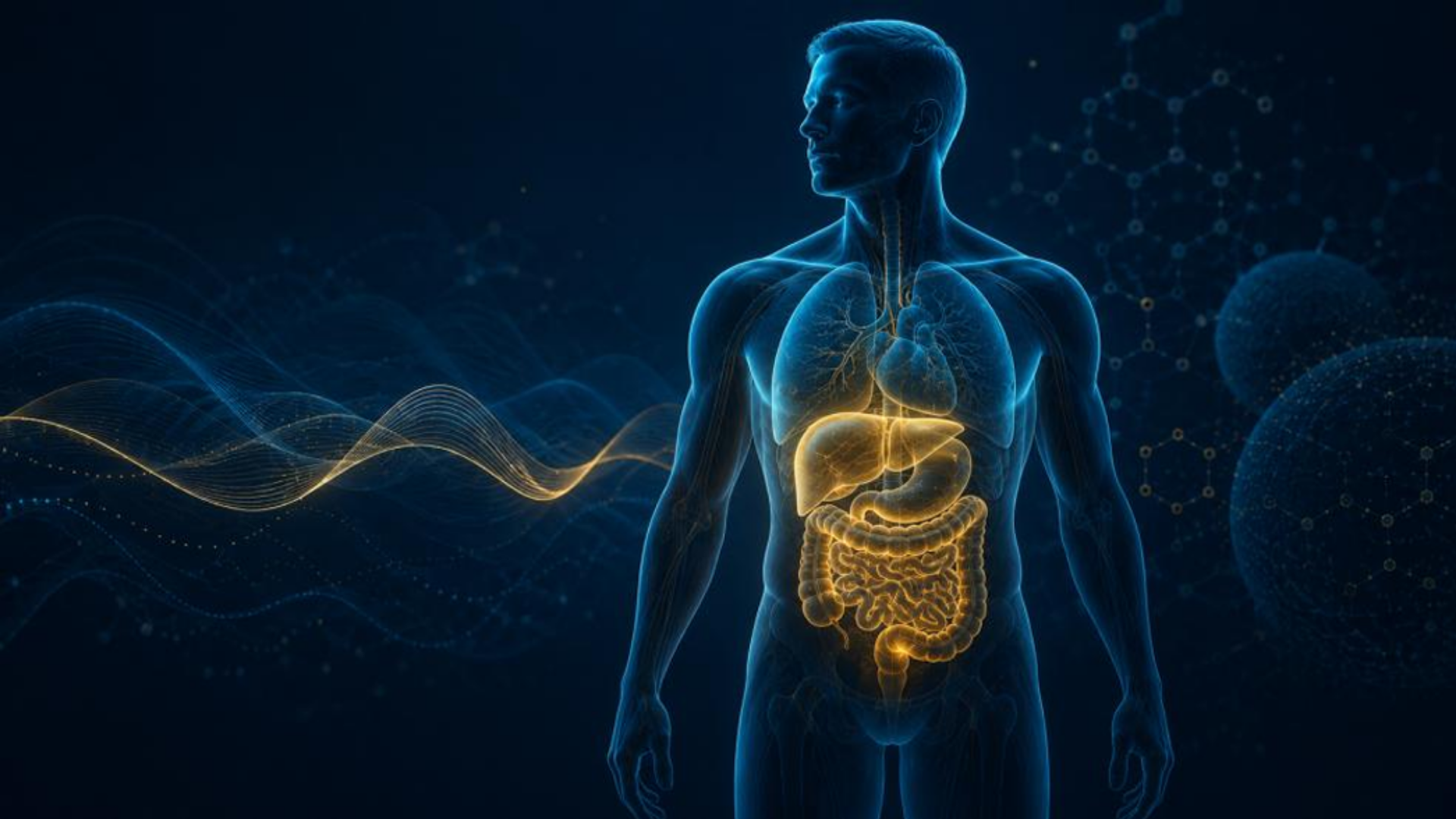
Insulin is the hormone your pancreas releases to help your cells absorb glucose from the bloodstream and use it for energy. When cells stop responding to insulin efficiently, the pancreas compensates by producing more and more of it. Blood glucose stays relatively normal for a while, so standard labs look okay, but insulin levels are elevated and the system is under strain.
Over time, the pancreas cannot keep up. Blood glucose starts to rise into the prediabetes range (fasting glucose between 100 and 125 mg/dL, or HbA1c between 5.7 and 6.4%). Left unaddressed, it crosses into type 2 diabetes territory.
But here is what most patients are not told: the window between insulin resistance and prediabetes, and even early type 2 diabetes, is a powerful opportunity for intervention. This is not a conveyor belt you have to ride.
What Are the Warning Signs?
Insulin resistance does not usually announce itself with dramatic symptoms. It tends to be subtle:
- Persistent fatigue, especially after meals
- Difficulty losing weight despite effort
- Sugar and carbohydrate cravings
- Brain fog
- Elevated fasting triglycerides or low HDL on routine labs
- Darkened skin patches in skin folds (acanthosis nigricans)
- Abdominal weight gain even with stable overall weight
None of these alone confirms insulin resistance, but together they are a signal worth taking seriously and worth checking with proper lab work.
What Can Actually Be Done?
The evidence on this point is strong and worth stating clearly. The Diabetes Prevention Program, a landmark NIH-funded trial, showed that intensive lifestyle intervention reduced progression from prediabetes to type 2 diabetes by 58 percent over three years. That outperformed metformin, which reduced progression by 31 percent.
A review published in IntechOpen in 2024 confirms that whole food dietary approaches, structured movement, and stress reduction each independently improve insulin sensitivity through distinct mechanisms: improving mitochondrial function, reducing systemic inflammation, modulating the gut microbiome, and lowering cortisol-driven glucose dysregulation.
This is not about willpower. It is about addressing the biological drivers with a plan that makes sense for your actual life.